SHEMP_
PDP-10 • TOPS-10
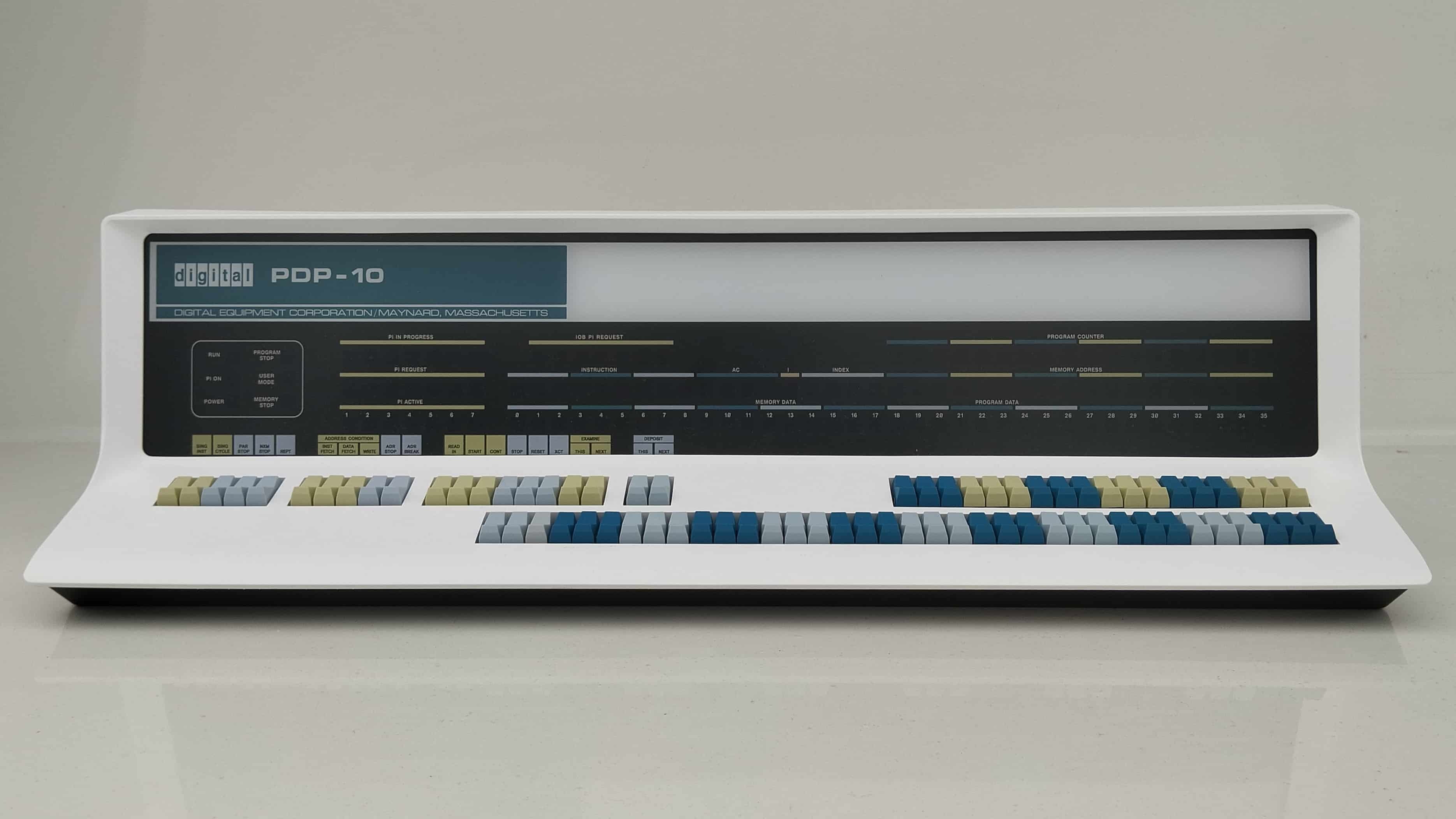
The Replica
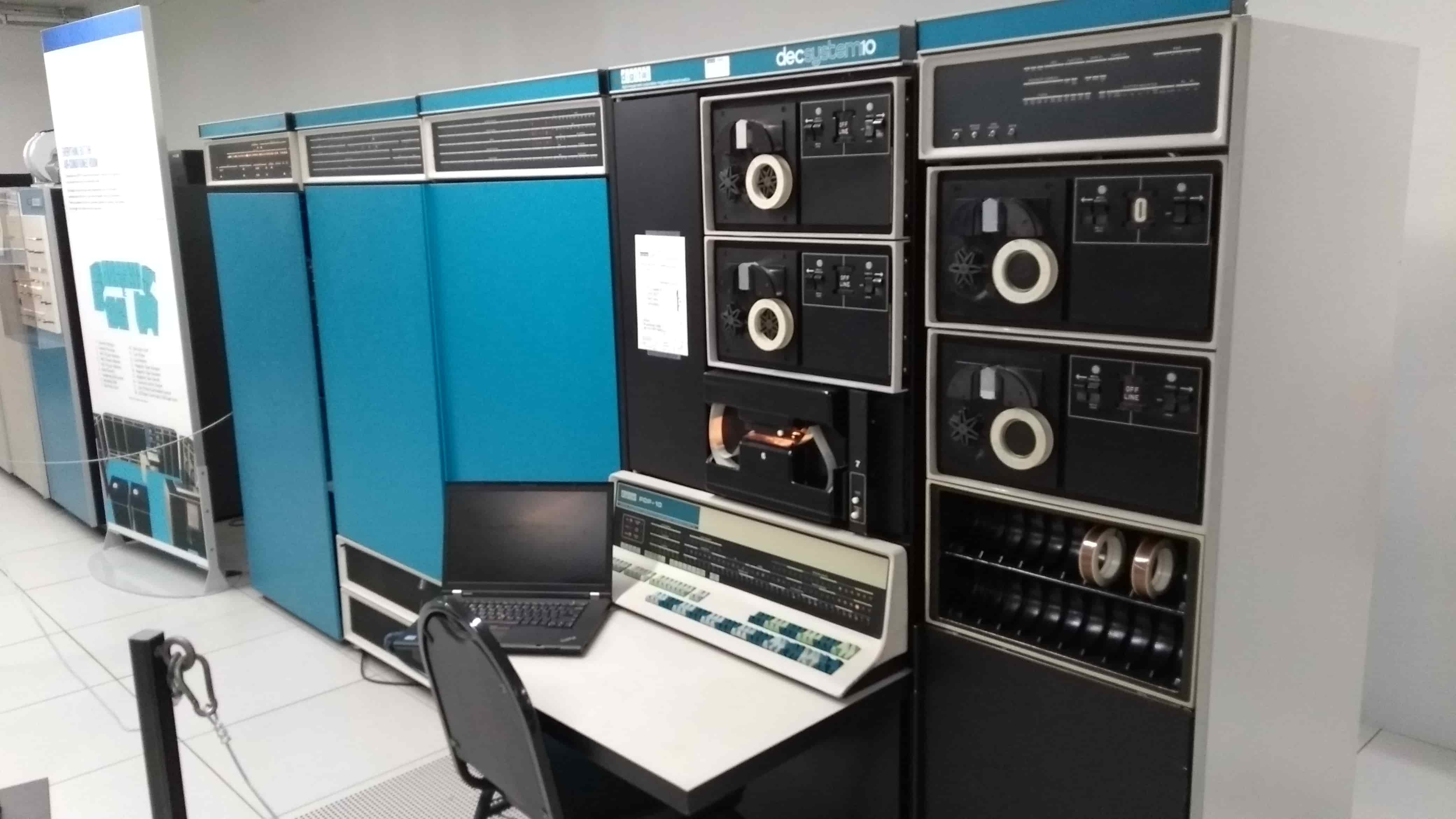
The Original
System Specifications
| System Name | SHEMP |
| CPU | PDP-10 (36-bit) |
| Word Size | 36 bits |
| Operating System | TOPS-10 |
| Terminal Access | Coming Soon |
| Status | Arriving this week |
| Original Price | ~$300,000 configured (1968) |
About the PDP-10
The PDP-10 was DEC's flagship 36-bit mainframe-class computer, first introduced in 1966. It became one of the most important computers in the history of computing — the original ARPANET (precursor to the internet) was built primarily on PDP-10 systems, and much of early internet culture, including the Jargon File and the hacker ethic, originated on PDP-10 time-sharing systems at MIT, Stanford, and BBN.
The PDP-10's 36-bit word size was designed for efficient handling of both scientific computation and character data (five 7-bit ASCII characters per word). The architecture featured a clean, elegant instruction set with 16 general-purpose registers and a rich set of addressing modes. It was powerful enough to support hundreds of simultaneous time-sharing users while remaining accessible to programmers.
DEC produced several generations of PDP-10 processors: the original KA10 (1968), the KI10 (1972) with paging, the KL10 (1975) built with ECL logic for much higher speed, and the KS10 (1978), a cost-reduced version using TTL logic. The PDP-10 was eventually succeeded by the VAX line, though many users considered the PDP-10 architecture superior for time-sharing applications.
About TOPS-10
TOPS-10 (Timesharing OPerating System for the PDP-10) was DEC's primary operating system for the PDP-10 family. Originally developed as "Monitor" in the mid-1960s and renamed TOPS-10 in 1970, it was one of the most capable time-sharing systems of its era. TOPS-10 supported dozens to hundreds of simultaneous interactive users, batch processing, real-time applications, and networking.
The system included a powerful command language, a sophisticated file system with project-programmer number based access control, and support for multiple programming languages including FORTRAN, COBOL, BASIC, MACRO-10 assembler, and BLISS. TOPS-10 also pioneered many concepts that became standard in later operating systems, including user-level process management and network transparency.
TOPS-10 systems were workhorses at universities, research labs, and businesses throughout the 1970s and 1980s. CompuServe, one of the first major online services, ran on PDP-10 systems running a modified version of TOPS-10 well into the 1990s. The system earned a reputation for reliability and ease of use that made it a favorite among system administrators and programmers alike.
SHEMP is on the way
Terminal access will be available once the system is online